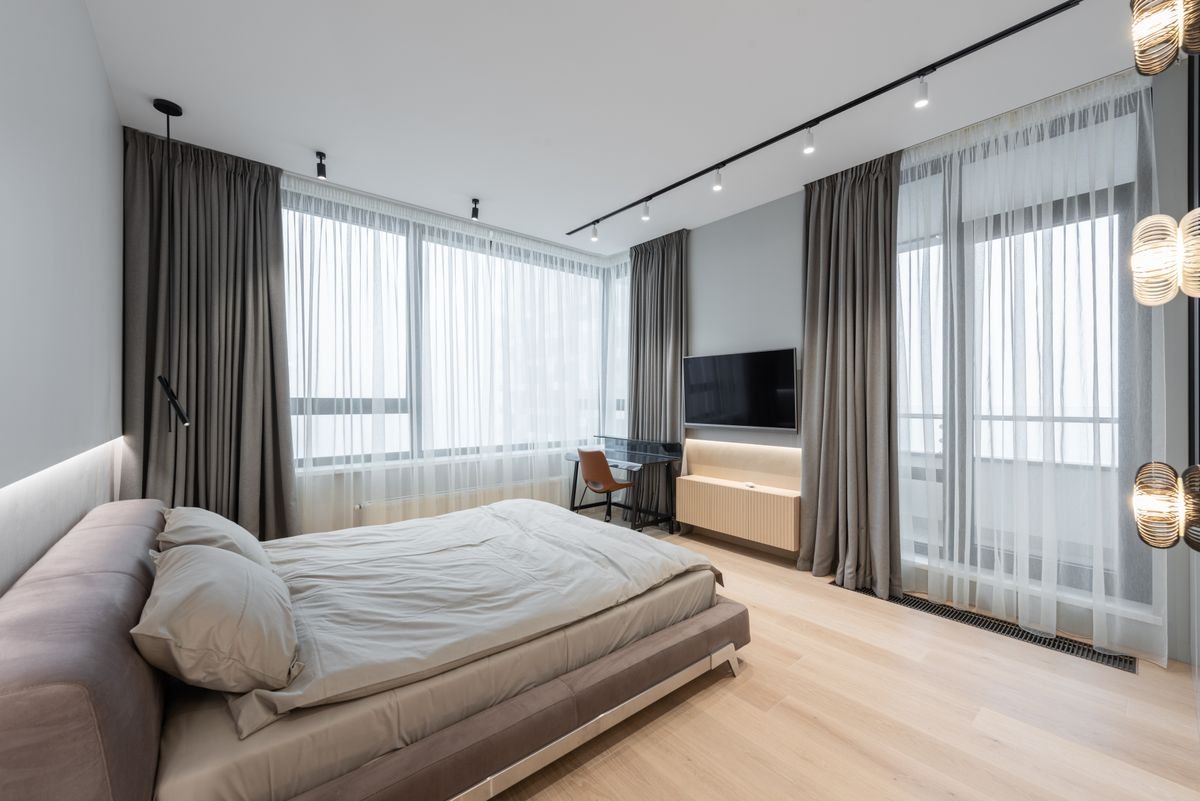
A mattress is something you live with for 7–10 years. The right one supports your spine, relieves pressure on your hips and shoulders, and keeps you cool through the night. The wrong one wakes you up sore. This guide walks through the seven things that actually matter when choosing a mattress — written for couples, side sleepers, hot sleepers, plus-size sleepers, petite sleepers, and budget shoppers alike.
1. Start With Your Sleep Position
Side sleepers need pressure relief at the shoulders and hips. Aim for medium to medium-soft, with memory foam or a hybrid that contours.
Back sleepers need lumbar support. Medium-firm is the sweet spot. Coil hybrids and zoned-support mattresses excel here.
Stomach sleepers need firm support to keep the lower back from arching. Anything softer than medium-firm leads to lumbar strain over time.
Combination sleepers need responsiveness so changing position doesn’t wake you up. Latex and hybrids handle this better than dense memory foam.
2. Match Firmness to Your Body Weight
Firmness ratings are not absolute. The same “medium” mattress feels firmer to a 130-lb sleeper than to a 220-lb sleeper. Use this rough guide:
- Petite (under 130 lbs): trend one step softer than the labeled firmness. A “medium-firm” will feel firm.
- Average (130–230 lbs): take labeled firmness at face value.
- Plus-size (over 230 lbs): trend one step firmer. A “medium” will feel medium-soft. You’ll likely need a hybrid with reinforced edge support.
3. Pick the Right Material Type
Memory foam: best pressure relief, deepest body contour, best motion isolation (great for couples). Trade-offs: sleeps hot unless gel-infused, slow response can make repositioning feel sluggish.
Hybrid (foam + coils): combines pressure relief with bounce and breathability. Strong edge support, runs cooler than all-foam, easier to move on. Heavier and pricier. Our most-recommended type for back pain, couples, and plus-size sleepers.
Latex: bouncy, durable, naturally cooling. Great for combination sleepers and people with allergies. Higher upfront cost but typically lasts 12+ years.
Innerspring: traditional coil bed with a thin comfort layer. Cheapest, sleeps coolest, but pressure relief is poor. Not our first recommendation unless budget is the deciding factor.
4. Don’t Skip Cooling Considerations
If you run warm at night — perimenopause, menopause, naturally hot sleeper, or a partner who shares your body heat — cooling is the most important spec on the page. Look for: gel-infused or graphite-infused foam, breathable coil systems (preferred), phase-change covers. Avoid solid memory foam unless it explicitly says “cooling.” See our Best Cooling Mattresses roundup for the strongest performers.
5. Trial Period and Warranty Are Non-Negotiable
You cannot judge a mattress in 5 minutes in a store. Your body needs at least 30 nights to adjust. Any mattress you buy online should come with:
- At least 100 nights of trial. 365-night trials (Saatva, DreamCloud) are the gold standard.
- Free returns. Read the fine print — some brands charge a return shipping or pickup fee.
- 10-year minimum warranty. Most quality mattresses include this.
6. Set a Realistic Budget
- Under $700: entry-level all-foam. Decent for guest rooms, not ideal as your primary bed for a decade.
- $700–$1,200: the sweet spot. Solid hybrids and quality memory foam with proven longevity. See our budget picks.
- $1,200–$2,000: premium hybrids with zoned support, quality cover materials, strong warranties. Saatva Classic, Helix Midnight Luxe.
- $2,000+: luxury territory — organic materials, custom configurations, multi-zone support. Diminishing returns above this for most sleepers.
Sales matter. Memorial Day, Labor Day, Black Friday, and President’s Day usually bring 20–40% off across major brands. Almost no one pays MSRP.
7. Don’t Overlook the Foundation
Modern foam and hybrid mattresses need a flat, supportive surface with slats no more than 3″ apart. Old-style box springs (with springs inside) are not appropriate for foam mattresses — use a platform bed or a solid foundation. Adjustable bases are mattress-friendly for almost all foam and hybrid models. The wrong base can void your warranty.
Quick Decision Framework
- Side sleeper, average weight, want one bed for the next 10 years → medium hybrid. See our side sleeper picks.
- Hot sleeper or going through menopause → hybrid with strong cooling tech. See our cooling roundup.
- Couple with different preferences → split-firmness or hybrid with strong motion isolation. See our couples picks.
- Plus-size sleeper → hybrid with reinforced edge support and high coil count. See our plus-size picks.
- Tight budget → quality all-foam under $800 with at least 100 nights to try it. See our budget picks.
Ready to Compare?
Our top-rated overall list is at Best Mattresses 2026 — Top Picks for Every Body and Budget. Want to see exactly how we evaluate each mattress before it gets ranked? Read How We Test.

UniPon 12 Inch Firm Queen Size Mattress-Hybrid Mattresses in a Box with Back and Lumbar Hip Support, Fiberglass Free, CertiPUR-US Certified-365 Nights Trial & 10 Years Warranty
- 【Supportive for Various Sleeping Positions】: The 12-inch Queen hybrid mattress with Medium feel is designed to provide unparalleled support for individuals of all sizes, thanks to its unique combination of high-density memory foam and robust independent pocket springs. This hybrid mattress adapts to different body shapes and sleeping styles, ensuring a comfortable night’s sleep for side, back, and stomach sleepers while maintaining proper spinal alignment and relieving pressure points.
- 【Elevate Your Sleep Experience】: Upgrade your sleep sanctuary with our 12-inch Queen hybrid mattress, certified by CertiPUR-US for unparalleled safety and durability. The combination of traditional independent spring support and luxurious memory foam layers in this mattress creates a balanced Medium feel sleeping surface that effectively aligns the spine and evenly distributes weight, reducing pain and discomfort for a restful night’s sleep. It is also fiberglass-free, ensuring safe sleep for you and your family.
- 【Silent Sleep, Motion Isolated】: Enjoy a peaceful night’s sleep without disturbances. Our 12-inch Queen Medium feel hybrid mattress features individual pocket springs that minimize noise and motion transfer, making it perfect for couples sharing a bed. Rest assured that you will stay undisturbed throughout the night—whether your partner tosses and turns or gets up frequently—for a truly serene sleep experience.
New starting from: 239.99 $
Go to Amazon